

Kenya has received international acclaim for its ambitious social housing projects and the Nairobi Rivers Regeneration Programme, initiatives hailed as some of the most transformative efforts in the Global South aimed at enhancing climate resilience and improving urban livelihoods.
Speaking on Saturday at the COP30 Conference in Belém, Brazil, Deputy President Kithure Kindiki revealed that various United Nations agencies have commended Kenya for its homegrown approach to tackling urban climate challenges.
“The UN agencies have lauded Kenya’s social housing programme for the urban poor and the Nairobi Rivers Regeneration Programme as the two most consequential measures ever taken in the Global South to create climate resilience for the urban poor using domestically generated resources,” Kindiki said.
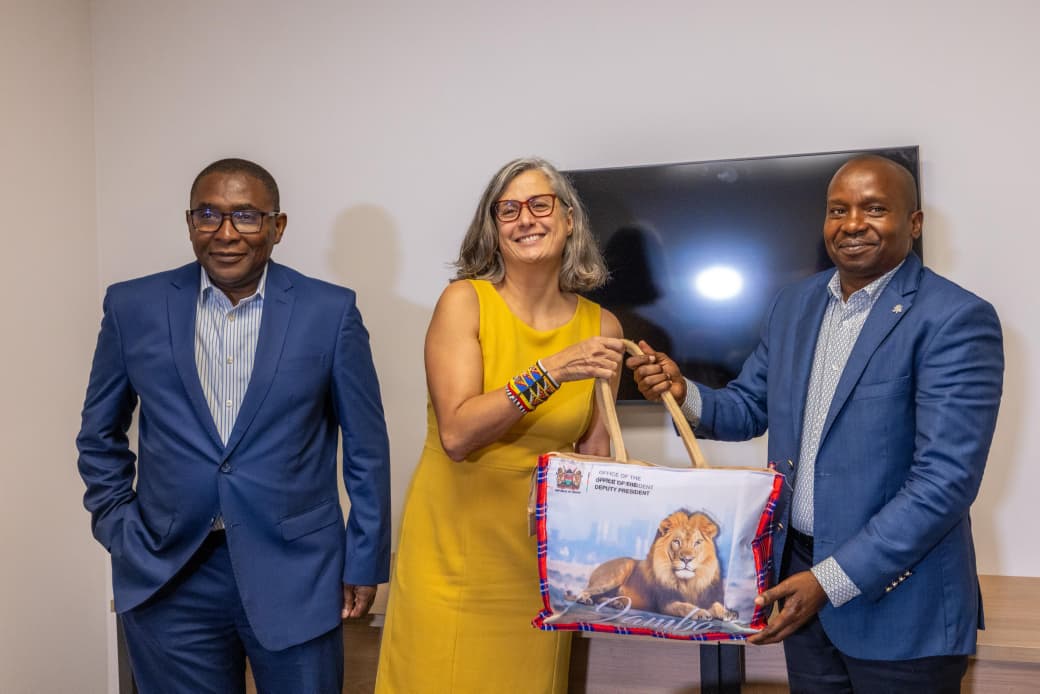
The Deputy President held discussions with representatives from UN-Habitat, the UN Climate Action Team, and the UNFCCC Secretariat on strengthening collaboration to expand Kenya’s climate adaptation measures.
He also welcomed the Building Climate Resilience with the Urban Poor (BCRUP) Programme — a joint initiative between Kenya and Brazil — describing it as a critical framework for protecting vulnerable city populations from floods, droughts, heatwaves, and other climate-related shocks.
Kindiki emphasised the importance of increased financing, technology transfer, and capacity building to enhance sustainable urban growth. He also urged for a stronger, more coordinated role for UN agencies in supporting adaptation efforts among low-income urban communities.
The Deputy President further proposed that the United Nations General Assembly adopt a resolution on urban climate resilience, incorporating BCRUP principles into COP30 outcomes. He noted Kenya’s readiness to provide periodic progress reports to the UN on the initiative’s implementation.
Kindiki reaffirmed the government’s commitment to advancing climate action that not only protects the environment but also delivers tangible social and economic benefits to its most vulnerable citizens.
