

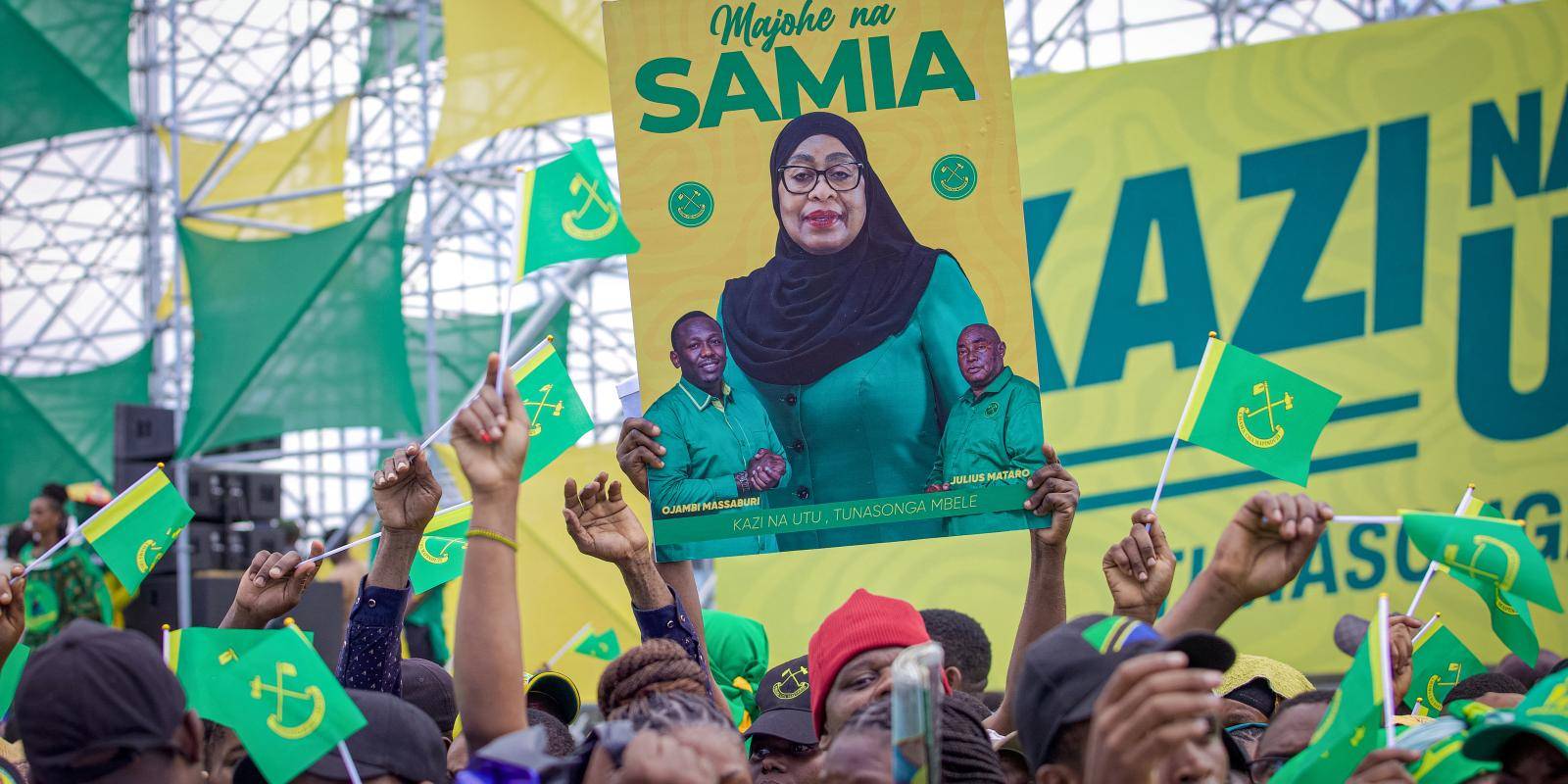
Polling stations opened across Tanzania on Wednesday in an election overshadowed by the absence of key opposition candidates and growing reports of political repression. Rights groups, including Amnesty International and Human Rights Watch, have condemned what they describe as a “wave of terror” ahead of the vote.
President Samia Suluhu Hassan, 65, is seeking to consolidate her power and silence critics within her Chama Cha Mapinduzi (CCM) party. Elevated to the presidency in 2021 following the death of John Magufuli, Hassan was initially praised for relaxing media restrictions and engaging the opposition. However, her government has since been accused of reinstating authoritarian practices reminiscent of her predecessor’s rule.
Her main challenger, Tundu Lissu of the Chadema party, has been barred from running and is currently facing treason charges that could result in the death penalty. Another opposition figure, Luhaga Mpina of ACT-Wazalendo, was disqualified on technicalities, effectively leaving voters without a credible alternative.
Foreign journalists have been blocked from covering the mainland vote, although polling in Zanzibar — known for its slightly freer political atmosphere — has been more accessible. Reports of abductions and intimidation have intensified, with the Tanganyika Law Society confirming at least 83 kidnappings since Hassan took office.
One of the most disturbing incidents involves Humphrey Polepole, a former CCM official who vanished earlier this month after criticizing the president. His family later discovered blood stains at his home.
Despite the climate of fear, Tanzania’s economy remains relatively stable, growing by 5.5 percent in 2024, driven by agriculture, tourism, and mining. Hassan has promised ambitious infrastructure projects and universal health insurance to woo voters.
As Tanzanians cast their ballots, questions linger over the integrity of the process and the future of democracy in a country once hailed as a beacon of stability in East Africa.
