

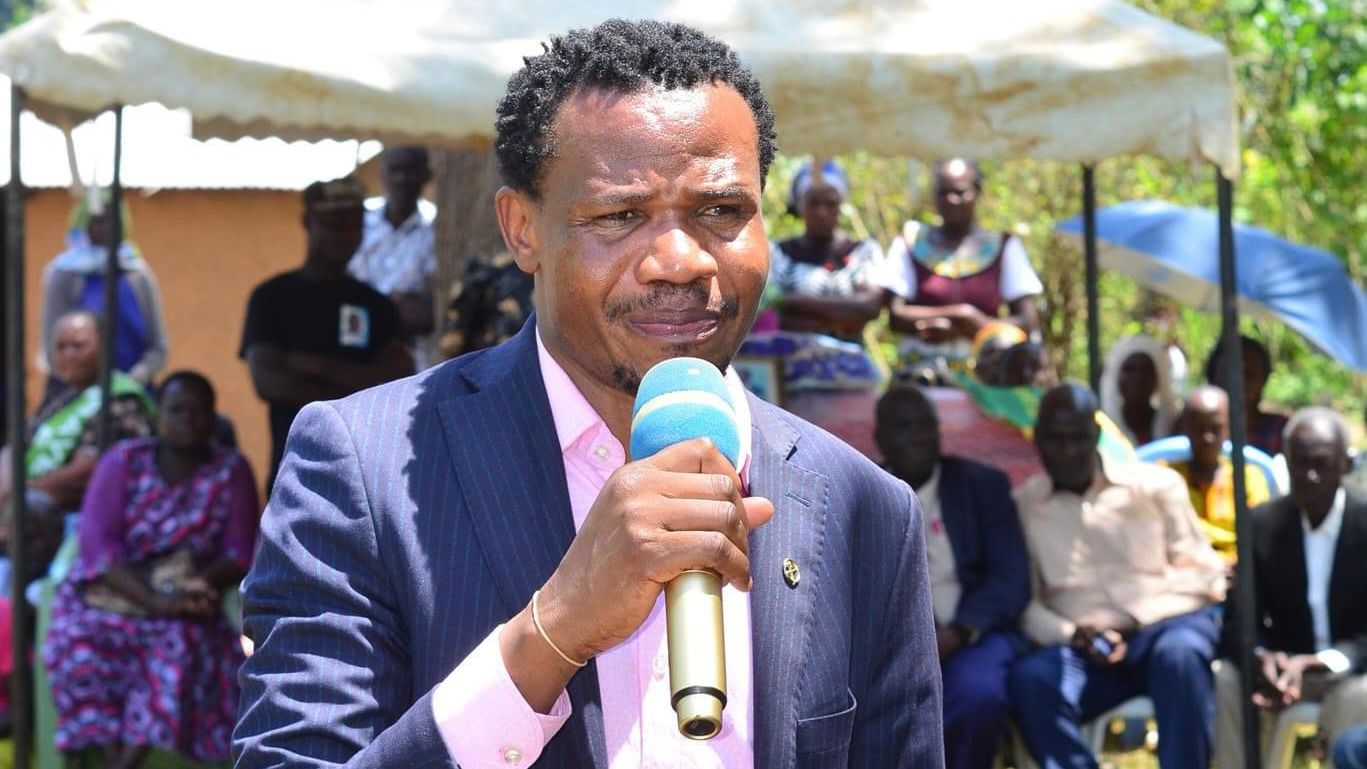
The Milimani Magistrate’s Court has set a hearing date for the hate speech case involving Mumias East MP Peter Salasya, after reconciliation efforts under the National Cohesion and Integration Commission (NCIC) stalled.
Senior Resident Magistrate Paul Mutai fixed the hearing for January 17, 2026, citing the inability of the NCIC to facilitate dialogue following the expiry of its commissioners’ term. Prosecutor Virginia Kariuki told the court that the Commission, mandated to promote national cohesion and dialogue, could not carry out conciliation as its term had lapsed before the process could begin.
“The conciliation proceedings stalled following the expiry of the Commission’s term,” Kariuki explained.
The case, which stems from allegedly inflammatory remarks made by Salasya during a public event earlier this year, was initially referred to the NCIC last month to explore reconciliation. The move was intended to resolve the matter through dialogue, potentially avoiding a full trial. However, with the Commission no longer operational, the conciliation process could not proceed.
Magistrate Mutai noted that the judiciary cannot rely on an inactive institution to mediate criminal matters. “Justice must continue even in the absence of the Commission,” he emphasized, underlining the need for the case to move forward.
The development raises concerns over other hate speech cases that were similarly referred to the NCIC for mediation, many of which are now in limbo. Mutai questioned why the Commission had not been engaged earlier, noting that its preventive mandate should ideally precede criminal prosecution.
The prosecution clarified that the Director of Public Prosecutions (DPP) and the NCIC operate independently but collaborate regularly in handling hate speech complaints.
The Salasya case highlights ongoing challenges in Kenya’s efforts to address hate speech through both dialogue and legal enforcement. With the NCIC unable to mediate, the judiciary has stepped in to ensure that proceedings continue, signaling that criminal accountability will proceed despite institutional lapses.
The case is now set for full hearing, marking a critical step in balancing reconciliation efforts with the pursuit of justice in matters of public speech and ethnic harmony.
