

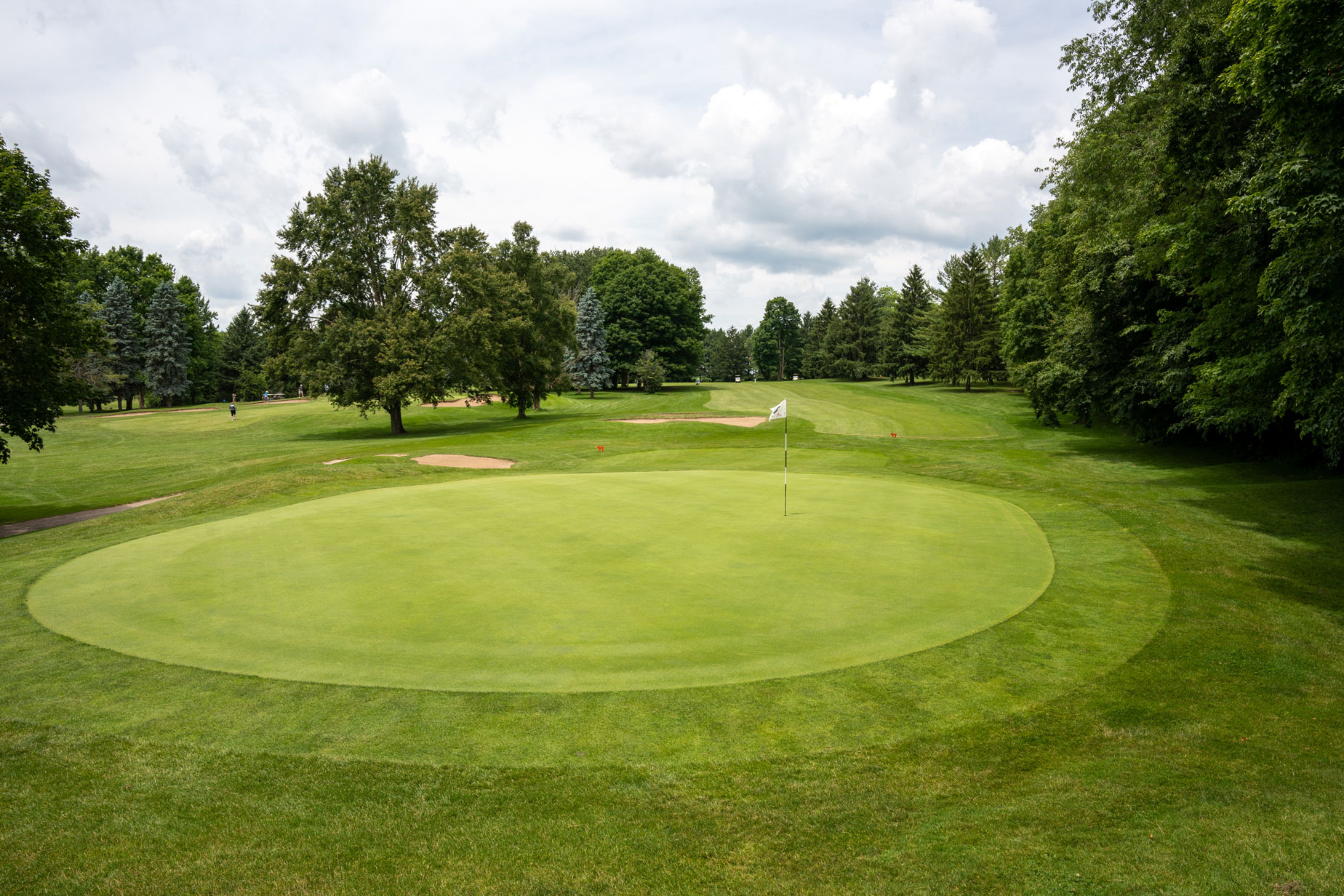
The All England Lawn Tennis Club’s ambitious plans to significantly expand its grounds have encountered another major hurdle after local residents were granted permission to take their challenge to the court of appeal. The proposal, which aims to add 39 new grass courts and transform the former Wimbledon Park Golf Club site, has been under scrutiny for years and now faces renewed legal examination.
Planning approval for the project was initially granted in 2024 by the London deputy mayor for planning and regeneration. That decision was upheld by the high court in July 2025. However, the Save Wimbledon Park (SWP) group continued its opposition, arguing that the development would harm the environment, disregard community concerns, and place enormous strain on protected parkland. Their persistence resulted in Lord Justice Holgate permitting a full judicial review of the earlier ruling.
In his explanation, Holgate noted that the grounds for appeal carried “a real prospect of success,” particularly regarding issues of deliverability, scheme benefits, material considerations, and possible irrationality in decision-making. This has reinvigorated campaigners who believe the development represents an unnecessary industrialisation of cherished green space.
SWP argues that the project amounts to creating a “tennis industrial complex,” claiming that the AELTC has failed to adequately engage with local residents. The group is also pursuing two additional legal avenues. One is a case scheduled for January, in which a judge will consider whether the land is subject to a statutory trust mandating its use for public recreation. Another involves evaluating whether a restrictive covenant signed in 1993—promising the land would never be developed—can still be legally enforced.
Opponents emphasise that their movement is not anti-tennis but rather focused on ensuring responsible stewardship of public land. They argue that the AELTC should reconsider its approach and engage more meaningfully with local voices to find a mutually beneficial solution.
Despite the mounting legal pressure, the AELTC remains confident. The organisation maintains that the expansion will create a permanent home for the Wimbledon qualifying competition while opening 27 acres of new parkland for public use—green space that has historically been restricted to private golf club members. According to the club, the project promises one of the most significant sporting infrastructure transformations since the 2012 Olympic Games, and they believe the court of appeal will ultimately uphold the original planning approval.
