

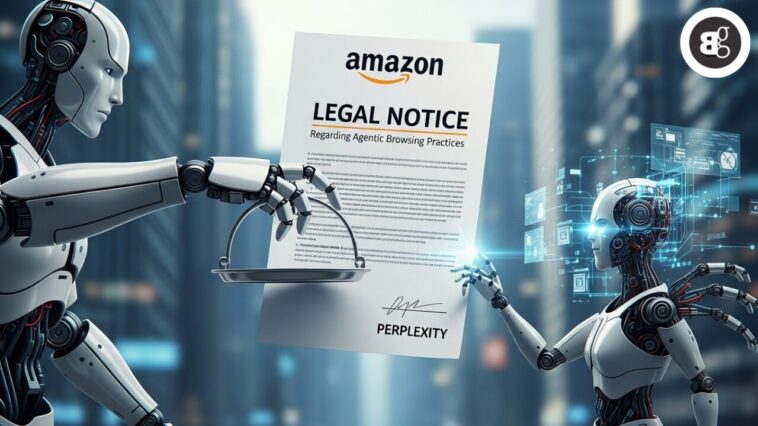
Perplexity AI has fired back at Amazon following a cease-and-desist notice from the e-commerce powerhouse, accusing it of attempting to suppress technological progress and innovation. The dispute stems from Amazon’s demand that Perplexity disable its AI-powered Comet browser agent from performing automated purchases on its platform.
Amazon’s Claims and Perplexity’s Response
Amazon alleges that the autonomous functions of Comet — particularly its ability to make purchases and scrape product data — breach its terms of service and violate rules prohibiting “data-mining, robots, or similar extraction tools.” The company maintains that such activities threaten user privacy, risk fraudulent transactions, and undermine the integrity of its marketplace.
In response, Perplexity contends that its agent operates safely and transparently, enabling users to execute digital tasks without breaching platform security. The company emphasized that the tool’s design prioritizes compliance and convenience, describing Amazon’s move as an attempt to protect its own commercial interests rather than safeguard consumers.
“Amazon’s move sends a concerning message about large platforms resisting innovation that empowers consumers,” said a Perplexity spokesperson. “We remain committed to working responsibly while advancing open and interoperable AI systems.”
A Clash of Vision: Platform Control vs. AI Autonomy
The dispute underscores a growing power struggle between big tech companies and emerging AI startups over who controls digital ecosystems and user data. As AI agents become more capable of performing real-world tasks — from shopping and scheduling to financial management — concerns over compliance, security, and accountability continue to rise.
Industry analysts note that Amazon’s defensive stance highlights the tension between platform control and AI interoperability. Allowing autonomous agents to act on behalf of users could disrupt traditional revenue models built around ads, data collection, and direct platform interaction.
Broader Implications for AI-Driven Commerce
This legal exchange may set a precedent for the regulation of AI agents interacting with major online platforms. If Perplexity’s challenge gains support, it could open the door to more third-party AI tools capable of navigating and transacting across multiple ecosystems — a move that could reshape e-commerce, digital marketing, and online user autonomy.
For now, both companies appear firm in their positions. Amazon remains focused on enforcing its security policies, while Perplexity continues to champion a vision of open, interoperable AI that empowers users to act independently in the digital economy.
