

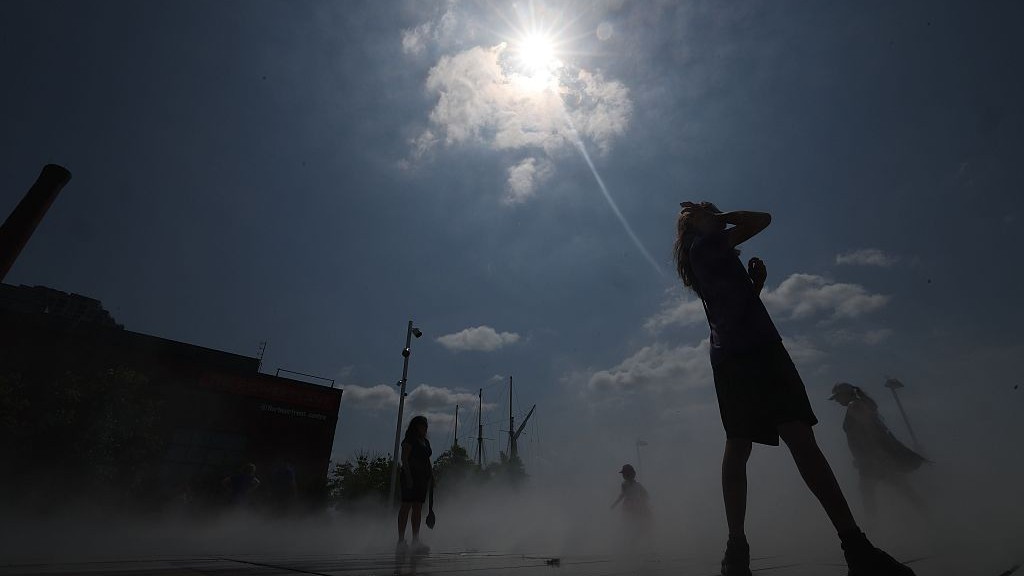
The United Nations Environment Programme (UNEP) has issued a grave alert in its Emissions Gap Report 2025, revealing that the world is on track to exceed the 1.5°C global warming limit above pre-industrial levels within the next decade. This limit, established under the Paris Agreement, marks a critical threshold to avoid the most devastating effects of climate change.
Global Climate Commitments Falling Short
According to the report, even if all countries fully implement their current national climate commitments, global temperatures are still projected to rise between 2.3°C and 2.5°C by the end of the century. This projection exposes a widening “emissions gap” — the difference between pledged actions and the drastic emission cuts needed to stabilize global warming.
Call for Urgent Decarbonization
UNEP Executive Director Inger Andersen emphasized that “incremental progress is no longer enough.” The report urges rapid decarbonization across key sectors — energy, transport, and industry — and accelerated investment in renewable energy and climate resilience, particularly in developing nations that face the harshest impacts of global warming.
Record Emissions Threaten Climate Goals
The 2025 report notes that global carbon emissions reached record highs in 2024, driven by continued reliance on fossil fuels despite international efforts to transition to cleaner energy sources. UNEP warns that delaying decisive climate action today will require far more severe and expensive interventions later in the century.
Nairobi Launch and Global Climate Urgency
Launched at UNEP headquarters in Nairobi, Kenya, the report serves as a wake-up call ahead of upcoming global climate negotiations. It urges countries to strengthen their Nationally Determined Contributions (NDCs) and adopt policies consistent with a net-zero emissions trajectory by mid-century.
Closing the Emissions Gap Through Cooperation
Environmental experts stress the urgent need for international collaboration, particularly between developed and developing economies, to close the emissions gap. Without stronger global cooperation, the world faces escalating climate threats — including extreme heatwaves, droughts, floods, and biodiversity loss.
“We Are Running Out of Time”
Inger Andersen concluded with a sobering but hopeful message:
“The science is clear — we are running out of time. But with collective will and bold policy action, it’s still possible to secure a livable future.”
