

After 43 days, the longest government shutdown in U.S. history has finally ended. Federal employees are returning to work, national parks are reopening, and essential services are resuming after weeks of disruption. But as the government restarts, the political dust is far from settling.
Democrats, who used the Senate filibuster to block temporary funding, had hoped to force Republicans into extending healthcare subsidies for low-income Americans. Instead, they walked away with only a promise for a future vote—no guarantees, no bipartisan support, and no assurance of action in the House. The result has sparked outrage across the party.
Progressives accused Senate Minority Leader Chuck Schumer of capitulating, while even moderate figures expressed frustration. California Governor Gavin Newsom, a major Democratic voice with 2028 presidential ambitions, called the deal “pathetic” and a “surrender.” His sharp critique reflects a growing sentiment that Democrats failed to leverage their political momentum despite recent electoral wins.
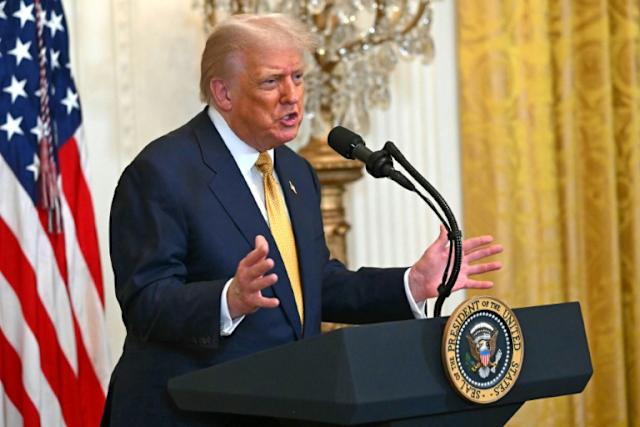
On the other side of the aisle, Donald Trump is celebrating. He praised Republicans for securing what he called “a very big victory,” asserting that Democrats overplayed their hand. Sensing division among his opponents, Trump publicly mocked Schumer, claiming that Republicans had “broken” Democratic resistance.
While Trump made few substantive concessions during the shutdown, his approval ratings did take a hit. However, with a year until the midterms and Trump himself not facing re-election, Republicans appear confident they can regain control of the narrative.
Yet looming challenges remain. The healthcare subsidies Democrats fought for could soon expire, potentially causing insurance costs to skyrocket for millions—an issue that could become politically explosive. Meanwhile, new pressure is mounting on the Epstein investigation after Congress forced a vote to release related Justice Department files, a move that frustrated Trump as it overshadowed his shutdown victory.
As Congress returns to work and another funding deadline approaches in January, both parties are rearming for the next battle. The shutdown may be over, but the political war is far from finished.
